


Hours of Operation: Tuesday through Saturday 10 AM to 4 PM
THE MUSEUM WILL BE CLOSED:
WEDNESDAY, NOVEMBER 11 IN HONOR OF VETERANS DAY
THURSDAY & FRIDAY, NOVEMBER 26 & 27 FOR THANKSGIVING
THE MUSEUM WILL RE-OPEN SATURDAY, NOVEMBER 28 AT 4 PM FOR OUR CHRISTMAS PAST AND PRESENT CELEBRATION
Fossil Horse Tooth From The Pleistocene age
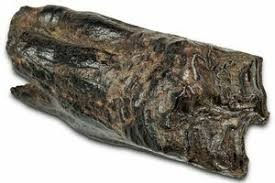
Exploring the fossil horse tooth from the Pleistocene age is akin to peering through a slightly larger window into a time long past when vast ice sheets covered much of the Earth, and diverse megafauna roamed the land. This remarkable artifact, discovered in layers of sediment dating back approximately 2.6 million to 11,700 years ago, offers a serene yet profound glimpse into the evolutionary journey of Equus, the genus of modern horses. The tooth's intricate enamel patterns and robust structure stand as a testament to the dietary adaptations and survival strategies of these ancient creatures amidst shifting climates and landscapes. Its size and shape reveal details about the horse's diet, indicating a preference for grazing on grasslands that spread across the Pleistocene steppes.
Such fossils not only enrich our understanding of horse evolution but also contribute to the broader narrative of ecological and environmental changes that have shaped life on Earth. Each fossilized tooth, with its unique characteristics, adds a layer of depth to the story of our planet's history, illustrating how these noble creatures adapted to their surroundings over millennia. The fossil horse tooth quietly narrates a story of resilience and adaptation, inviting us to reflect on the interconnectedness of all life and the enduring passage of time. As we study these ancient relics, we are reminded of the delicate balance of ecosystems and the intricate dance of evolution that continues to unfold around us. With each detail uncovered, we gain a deeper appreciation for the complexities of nature and the relentless march of time that has brought us to the present day.
Artifacts Are Us
